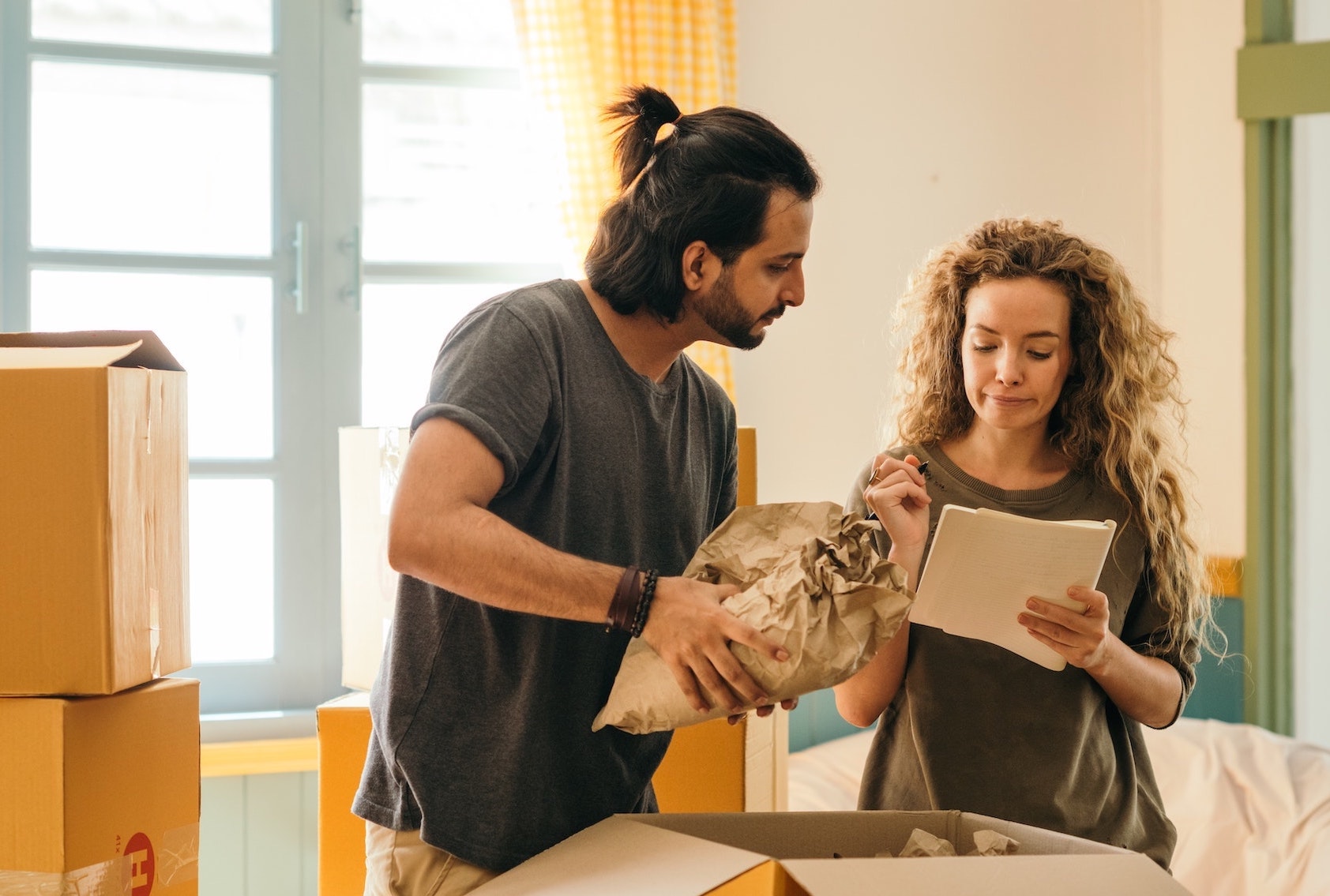
Moving internationally is an exciting adventure, but it also comes with unique challenges—especially when it comes to protecting your most valuable possessions. Whether you’re relocating for work, family, or a fresh start, the journey your belongings take across oceans and borders requires careful planning and expert packing techniques.
At Allied International, our Chicago-based team has helped thousands of families successfully move their treasured items around the globe. Here are our expert tips to ensure your valuables arrive safely at your new home.
Before diving into packing specifics, it’s important to understand what your belongings will face during an international move. Unlike local moves, international shipments endure multiple handling points, varying climate conditions, longer transit times, and different transportation methods including trucks, cargo ships, and aircraft. Your items may sit in storage facilities, pass through customs inspections, and experience humidity changes and temperature fluctuations. This reality makes proper packing not just recommended—it’s essential.
Begin your packing process at least two months before your move date. Use this opportunity to sort through your belongings and decide what truly needs to make the journey. International moving costs are typically calculated by weight and volume, so reducing unnecessary items can save you significant money while simplifying your packing process.
International moves demand superior packing materials. Stock up on sturdy, double-walled cardboard boxes in various sizes, bubble wrap with different bubble sizes, packing paper (never use newspaper directly on items as ink can transfer), foam sheets and corners, packing peanuts, strong packing tape, and clearly visible labels. While it’s tempting to cut costs with used boxes, the investment in new, strong materials pays dividends in protection.
A common mistake is overpacking large boxes. Heavy items like books should go in small boxes, while lighter items like linens can fill larger containers. A properly packed box should be firm but not overstuffed, with no empty spaces that allow items to shift during transit.
Document everything you pack with detailed lists including box numbers, contents, and the room they belong to. Photograph valuable items before packing them. This inventory serves multiple purposes including helping you locate items after arrival, providing documentation for insurance purposes, and assisting with customs declarations.
Fragile items require special attention and layered protection. Start by wrapping each piece individually with bubble wrap, ensuring at least two to three layers for delicate items. Secure the bubble wrap with tape, but never apply tape directly to the item itself as adhesive can damage surfaces.
For dishes and plates, wrap each piece individually and stand them vertically in boxes rather than stacking them flat—this position actually provides better protection during movement. Place crumpled packing paper or foam between each wrapped item to prevent contact. Fill any empty spaces in boxes with additional packing material to prevent shifting.
Glassware and stemware need extra cushioning at their most vulnerable points. Wrap stems separately with additional padding, then wrap the entire piece. Consider specialty boxes with cell dividers for wine glasses and delicate stemware. Never mix different types of fragile items in the same box, as their different weights and fragility levels can lead to damage.
Mirrors and glass frames should be wrapped in bubble wrap and then placed in mirror boxes or between cardboard sheets. Create an “X” pattern across glass surfaces with painter’s tape before wrapping—this won’t prevent breaking, but it helps hold pieces together if cracks occur. Always pack mirrors and framed items vertically, never flat.
Antiques require an elevated level of care due to their age, construction methods, and often irreplaceable nature. Before packing any antique, photograph it from multiple angles and document any existing damage. Consider having particularly valuable pieces professionally appraised and ensure they’re properly insured for international transit.
For antique furniture, disassemble pieces when possible to reduce size and protect vulnerable joints. Wrap hardware in labeled bags and tape them securely to the corresponding furniture piece. Use furniture pads or moving blankets to wrap large pieces, securing them with plastic wrap or tape that doesn’t contact the furniture’s surface directly. Pay special attention to legs, handles, and decorative elements that protrude and are prone to breaking.
Antique textiles like quilts, tapestries, and vintage clothing should never be folded along existing crease lines. Instead, roll them gently around acid-free tissue paper or clean, undyed muslin. Store rolled textiles in breathable containers rather than plastic, as antique fabrics need air circulation to prevent deterioration.
For antique ceramics and porcelain, use acid-free tissue paper as the first layer of protection before applying bubble wrap. These materials are often more delicate than modern ceramics and may have fine cracks or repairs that aren’t immediately visible. Pack them in appropriately sized boxes with generous cushioning on all sides.
Electronics present unique packing challenges due to their sensitivity to shock, moisture, and temperature changes. Whenever possible, use original manufacturer boxes—they’re specifically designed to protect those devices. If original packaging isn’t available, you’ll need to create comparable protection.
Before packing electronics, back up all data from computers, tablets, and phones. Remove batteries from devices when possible, as they can leak during long transits. Take photos of cable connections or label them clearly so you can easily set up devices at your destination.
For computers and laptops, wrap them in anti-static bubble wrap first to prevent static electricity damage. Place them in sturdy boxes with at least three inches of cushioning material on all sides. Fill empty spaces completely so the device cannot shift. Mark boxes clearly as fragile and indicate “This Side Up” with arrows.
Televisions and monitors require special attention due to their screens. If you don’t have original packaging, invest in a television box or create substantial protection using foam corners on all edges and bubble wrap across the screen. Never lay flat-screen TVs flat—always transport them upright. Consider professional crating services for large or expensive screens.
Smaller electronics like cameras, gaming consoles, and audio equipment should be individually wrapped and packed in boxes with dividers when possible. Keep related cables and accessories with each device, wrapped separately to prevent tangling and damage to ports.
Your belongings may travel through multiple climate zones and experience significant humidity and temperature variations. Combat this with silica gel packets placed in boxes containing items susceptible to moisture damage like electronics, leather goods, and important documents. For long-term sea freight, consider using moisture barrier bags for especially vulnerable items.
Avoid packing items that could melt, freeze, or deteriorate during transit. Check regulations for your destination country, as some items like food, plants, and certain materials are prohibited or require special documentation.
Once packed, seal boxes with quality packing tape across all seams and edges. Use the H-taping method—tape along the center seam and both edges for maximum security. Never use duct tape or masking tape for moving boxes.
Create a clear labeling system with box numbers, destination room, and general contents. Mark boxes containing fragile items on multiple sides with “FRAGILE” and “THIS SIDE UP” indicators. Consider using a color-coding system for different rooms to simplify unpacking.
While these packing tips will help protect your valuables, international moves involve complex logistics that benefit from professional expertise. At Allied International, our experienced Chicago international movers understand the intricacies of global relocation and can provide comprehensive packing services, specialized crating for high-value items, and door-to-door coordination.
Don’t leave your valuable possessions to chance. Contact Allied International today for a free, no-obligation moving quote. Our team of international moving specialists will assess your unique needs and create a customized moving plan that protects what matters most. Get a free quote now or call to speak with one of our Chicago-based international moving experts. Your successful international move starts with a single conversation—let’s start yours today!
We carefully and methodically pack and crate your items, ensuring their safe and secure arrival. We take pride in the expert packing, crating, and handling of your possessions.
Our aim is to have your belongings safely and quickly transported to your new location, with a focus on customer service and your utmost satisfaction.
We provide you with a personal moving coordinator. You can check in any time you wish, connecting to the same person who will be very familiar with your particular custom moving plan.
